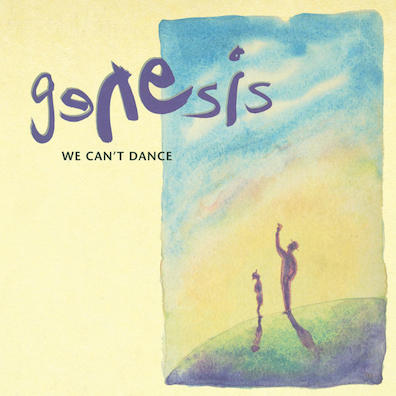
Genesis
We Can’t Dance (180g Vinyl Reissue)
Rhino/Craft
Oct 24, 2024 Web Exclusive
The 1980s were a fertile time for Genesis. Duke ushered in the decade with perhaps the best of the Phil Collins-led Genesis albums, taking more than a page from the band’s earlier Peter Gabriel-fronted prog legacy but showing more than a little of the pop smarts that would propel the band into the stratosphere later in the decade. Abacab and the self-titled Genesis, from 1981 and ‘83, respectively, only brought Collins more to the fore and upped the ante on the hits with songs like “No Reply at All,” “That’s All,” and “Taking It All Too Hard.” By the time of 1986’s Invisible Touch, the band was at an all time pop high, becoming ubiquitous on radio and seeming to find everything it touched turning to gold.
However, with success came the risk of caricature, and one is tempted to reflect on late-period Genesis with a healthy dose of skepticism. But revisiting 30-plus years later brings the realization that albums like Invisible Touch and its follow up We Can’t Dance were actually better than one probably remembers and unfairly maligned in hindsight
We Can’t Dance, from 1991, ended up being the last album released by the band’s most famous trio of Phil Collins, Tony Banks, and Mike Rutherford. And ultimately, the album, remastered and remastered here, pressed on 180 gram vinyl and never sounding better, compares well with the band’s previous work.
Much of the album is topical in nature, Collins, Banks, and Rutherford taking on themes of family dysfunction (“No Son of Mine”), televangelists (“Jesus He Knows Me”), the building of England’s railroads (the 10-minute epic “Driving the Last Spike”), and blind consumerism and advertisement (“I Can’t Dance”).
Elsewhere, “Dreaming While You Sleep” is an epic seven-minute progressive piece about a man taking a hit-and-run to his grave, featuring all the best instrumentation from the players—skittering percussive rhythm, spooky synths, flashes of guitar, bass anchor, and pounding drum flourishes. “Tell Me Why” is classic Phil Collins-led Genesis pop. And the ballads “Hold On My Heart” and “Since I Lost You” still ache decades later.
The album closer, “Fading Light,” closes the band’s recorded legacy with the same progressive bent with which it started, the track a 10-minute shapeshifting slow burner that eschews the more overt pop stylings of the band’s biggest hits.
And with that, Genesis had come full circle, from prog outliers to big ‘80s hitmakers, and a final hurrah that combined all of these into one bright, shining legacy. (www.genesis-music.com) (www.rhino.com)
Author rating: 7.5/10
Average reader rating: 3/10

Most Recent
- 500 to Go: Join Under the Radar’s Summer Subscription Campaign (News) —
- Lava La Rue Shares New Single “Prince Of Bologna” (News) —
- Premiere: The Blood Arm Share “World Class Traveler” (News) —
- It Was Just an Accident [4K UHD] (Review) —
- Beck Announces New Album, Shares Video for New Song “In the Night” (News) —

Comments
Submit your comment
There are no comments for this entry yet.