Album Reviews
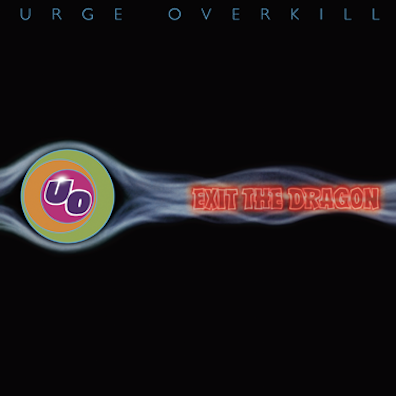
Urge Overkill
Exit the Dragon (30th Anniversary Vinyl Reissue)
Jul 15, 2026 Web Exclusive
Originally released at the height of the CD era, Exit the Dragon has not received a proper vinyl reissue until now, on occasion of its 30 year anniversary in newly remastered, pink and purple double vinyl set from Porterhouse Records.
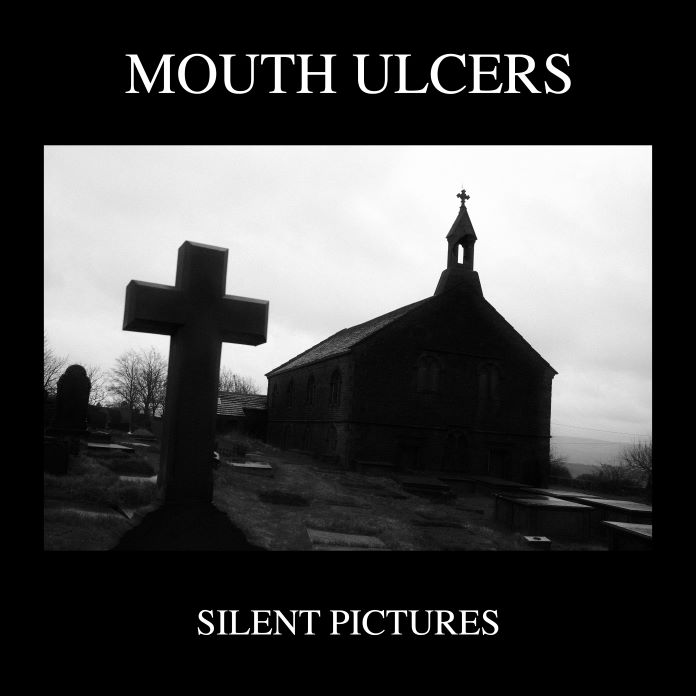
Mouth Ulcers
Silent Pictures EP
Jul 14, 2026 Web Exclusive
After being something of a dirty word for the best part of three decades, the darker side of post-punk commonly known as “goth” is undergoing something of a resurgence at present.
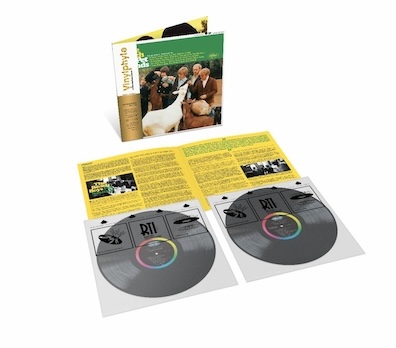
The Beach Boys
Pet Sounds (Vinylphyle Reissue)
Jul 13, 2026 Web Exclusive
Every music lover should own a copy of Pet Sounds. But what to buy? A mono version? A stereo version? Something with audiophile sound? Why not all three?

News
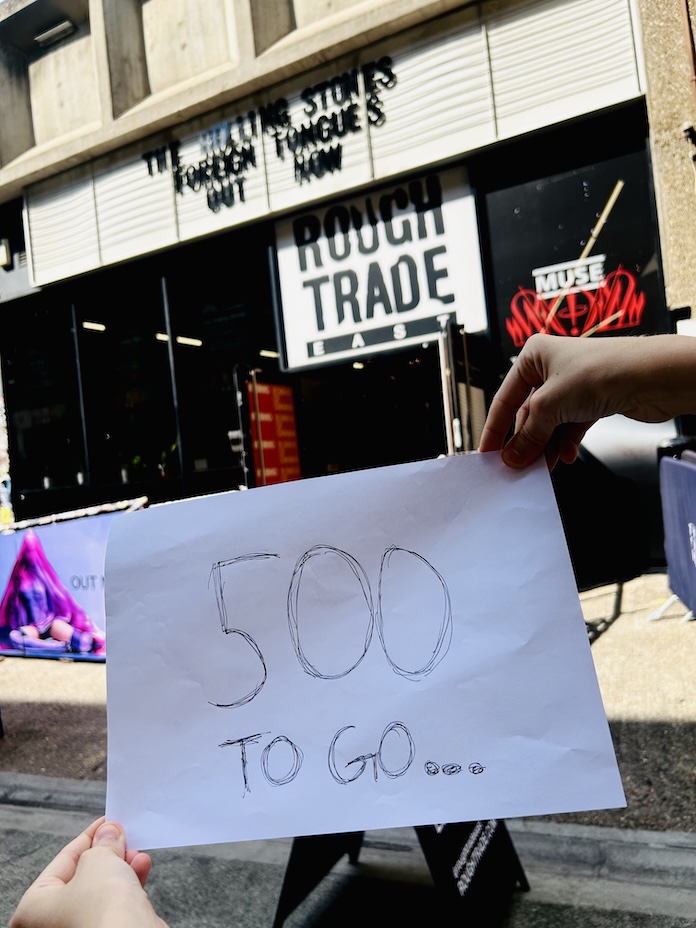
500 to Go: Join Under the Radar’s Summer Subscription Campaign
Jul 16, 2026
Mark from Under the Radar here. Today we’re launching a new summer subscription countdown. Our goal is to welcome 500 new and renewed subscribers before the end of the summer to help fund our 25th Anniversary Issue this fall.
Interviews

Friko on “Something Worth Waiting For”
Jul 14, 2026 Web Exclusive
The sophomore album by Chicago indie rockers Friko, Something Worth Waiting For, lives up to its name with youthful anticipation.
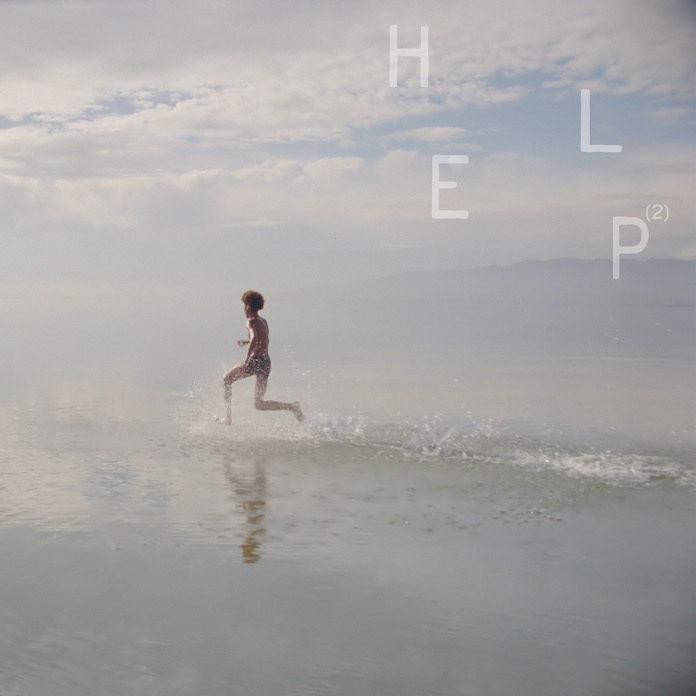
“HELP(2)” - The Story Behind War Child’s Epic New Charity Album
Jul 02, 2026
Thirty-one years after the original HELP album changed fundraising forever, a new generation of artists gathered at Abbey Road to create something equally powerful—and perhaps more necessary.
Pleased to meet you

Heidi Curtis On Her Debut EP “Hollow Heart”
May 29, 2026
From teaching herself guitar at 13 to supporting Florence + The Machine and Holly Humberstone, Heidi Curtis discusses the journey that led to her debut EP Hollow Heart.
Lists

Top 20 TV Shows of 2025
Jan 22, 2026
Television in 2025 was, admittedly, not as consistently strong as viewers have come to expect. As mergers continue to threaten quality, authentically prestige television still exists—and in enough abundance that, just three weeks into the new year, it’s worth taking stock of what rose to the top for us at Under the Radar.
The list is a mixed bag, which is very much a good thing. We love our Apple TV+ and our HBO Max. From dystopian dramas and bleak dramas to darkly comedic entries, sci-fi extremes, and procedurals turned on their heads, there’s plenty here to get stuck into. Below is our Top 20, with a handful of honorable mentions bringing up the rear. —Lily Moayeri (Under the Radar’s television editor)
Live reviews
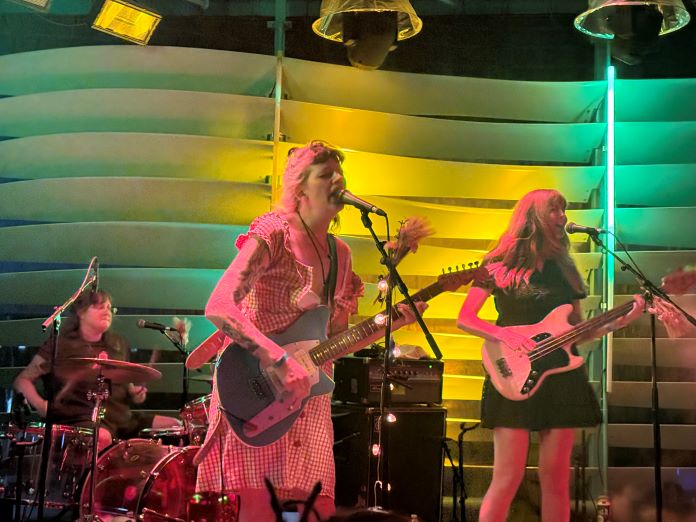
Vivian Girls @ Elsewhere (The Rooftop), Brooklyn, New York, US, July 8, 2026
Jul 12, 2026
Vivian Girls played their first Brooklyn show since 2019 on the rooftop of Elsewhere and Under the Radar’s Matthew Berlyant took in the beautiful skyline and scenery as well as a career spanning set from the band,
Blog

The Best Albums of June 2026 – Stream Them All Here
Jul 03, 2026
Last year we launched our Albums of the Month series, where we highlight the best albums released in the previous month. Now here is a roundup of May 2026’s best albums. We have included Bandcamp or Spotify embeds (some albums aren’t on Bandcamp) for each album and links to any reviews or interviews we did to support the release.

Most Recent
- 500 to Go: Join Under the Radar’s Summer Subscription Campaign (News) —
- Lava La Rue Shares New Single “Prince Of Bologna” (News) —
- Premiere: The Blood Arm Share “World Class Traveler” (News) —
- It Was Just an Accident [4K UHD] (Review) —
- Beck Announces New Album, Shares Video for New Song “In the Night” (News) —